Trezor Login: The Complete Teen-Friendly Guide to Safe Crypto Access
Cryptocurrency is like digital treasure—you can collect it, trade it, or even hold it as an investment—but keeping it safe is just as important as owning it. That’s why Trezor, one of the most trusted hardware wallets, exists. With Trezor, you control your crypto offline, making it nearly impossible for hackers to steal your funds.
The key to accessing your Trezor securely is Trezor Login. This guide explains everything teens need to know: setting up your device, logging in, managing cryptocurrencies, security tips, recovery, and advanced features.
What Is Trezor Login?
Trezor Login is the process of connecting your Trezor device to a management interface (like Trezor Suite or compatible web wallets) so you can access your cryptocurrency safely. Unlike typical logins that use usernames and passwords, Trezor relies on hardware-based authentication:
The device is the key: You need the physical Trezor to log in.
PIN protection: Only you can unlock the wallet.
Recovery phrase: A 24-word phrase lets you restore the wallet if the device is lost or damaged.
Private keys stay offline: Hackers can’t steal them remotely.
Think of it like a high-tech vault where you’re the only person with the key, and the combination is split across your device and recovery phrase.
Why Trezor Login Is Important
Trezor Login matters because it provides security, control, and convenience:
Protection against hackers: Your crypto can’t be accessed without the device.
Privacy: Your private keys are never exposed online.
Full control: Every transaction or login requires your physical confirmation.
Backup: Recovery phrase lets you restore the wallet anywhere.
Ease of use: Compatible with desktop, mobile, and web apps.
Without a secure login process, crypto could be at risk from malware, phishing scams, or unauthorized access.
Step 1: Setting Up Your Trezor Wallet
Before logging in, you must set up your Trezor:
Unbox your Trezor device and make sure it’s new or factory-reset.
Connect it to a computer via USB or supported mobile connection.
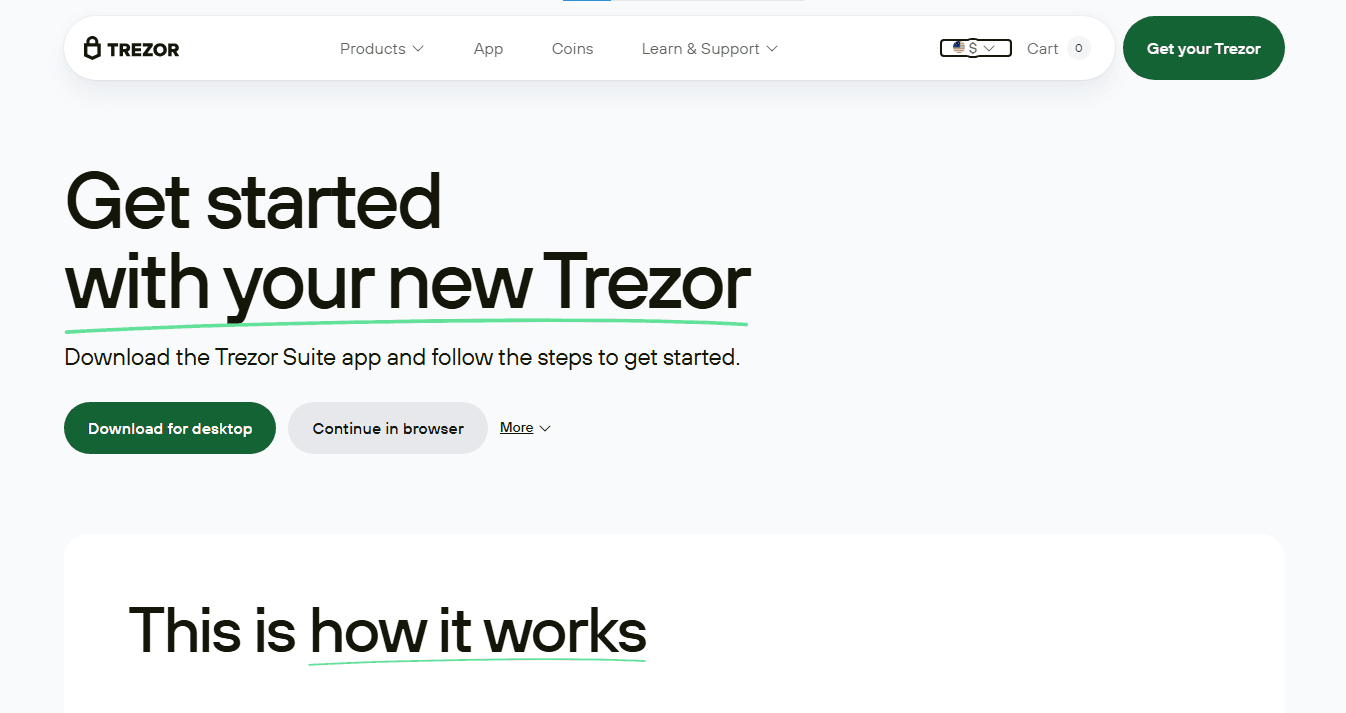
Download and install Trezor Suite from https://trezor.io/start.
Follow the setup instructions:
Create a PIN code
Write down your 24-word recovery phrase
Confirm the recovery phrase on the device
⚠️ Your recovery phrase is the most important backup. Keep it offline, never take screenshots, and never share it with anyone.
After setup, your device is ready for secure login.
Step 2: How Trezor Login Works
Trezor Login is different from a normal login. Here’s the process:
Connect the device to your computer or mobile.
Enter your PIN directly on the Trezor. Numbers are scrambled to prevent attackers from guessing your code.
Confirm all transactions or app connections on the device.
Even if your computer is hacked, your funds are safe because all sensitive actions happen offline on the device.
Step 3: Logging Into Trezor Suite
Trezor Suite is the official app to manage your wallet.
Steps to log in:
Open Trezor Suite.
Connect your device via USB or supported mobile connection.
Enter your PIN on the Trezor.
Access your accounts, balances, and portfolio.
Once logged in, you can:
Track multiple cryptocurrencies
Send and receive coins
Update firmware
Access advanced features like passphrase wallets and staking
✅ Always download Trezor Suite from the official website to avoid fake apps.
Step 4: Adding a Passphrase for Extra Security
Trezor Login can be enhanced with a passphrase, which acts as a “25th word” in addition to your 24-word recovery phrase:
Creates a hidden wallet separate from your main one
Adds another layer of security
Must be remembered, because losing it means losing access
How to enable a passphrase:
Open Trezor Suite → Settings → Security → Enable Passphrase
Enter it every time you log in
Confirm the wallet balance on your device
⚠️ Passphrases are powerful, but only if you store them safely offline.
Step 5: Logging Into Web Wallets
Trezor Login also works with web wallets like MetaMask or MyEtherWallet.
Steps:
Open the web wallet in your browser.
Select Connect Hardware Wallet → Trezor.
Connect your device and enter your PIN.
Approve the connection on the device.
✅ Always verify website URLs and SSL certificates to avoid phishing scams.
Step 6: Sending and Receiving Crypto
Receiving Crypto
Select the wallet/account in Trezor Suite.
Click Receive to generate a unique address.
Confirm the address on the device.
Share the address with the sender.
Sending Crypto
Click Send in Trezor Suite.
Enter the recipient address and amount.
Confirm the transaction on the device.
✅ Always check addresses on the device itself. Malware can try to change the address on your screen.
Step 7: Updating Firmware
Firmware updates are crucial for safe login:
Connect your Trezor to Trezor Suite.
Follow prompts to install firmware updates.
Confirm updates on the device.
⚠️ Only use official firmware from Trezor to avoid compromising your wallet.
Step 8: Troubleshooting Trezor Login
Device Not Recognized:
Check USB connection or cable
Restart Trezor Suite
Ensure firmware is up to date
Forgot PIN:
Three incorrect PIN attempts reset the device
Restore wallet using your 24-word recovery phrase
Lost Recovery Phrase:
Cannot restore wallet without it
Always store it securely offline
Step 9: Teen-Friendly Tips
Keep recovery phrase offline—no cloud storage or screenshots.
Use passphrases for extra security, but write them down safely.
Confirm every transaction on the device.
Update firmware and Trezor Suite regularly.
Avoid public Wi-Fi for crypto transactions.
Ignore emails claiming to be Trezor—they may be phishing scams.
Step 10: Advanced Features
Multiple accounts: Manage Bitcoin, Ethereum, and other cryptocurrencies.
Staking: Earn rewards on supported coins.
DeFi integration: Connect to decentralized finance apps safely.
Hidden wallets: Passphrase-protected accounts for added security.
🔒 Trezor Login ensures all advanced features are safe because each action requires device confirmation.
Step 11: Recovery and Backup
Even if your Trezor is lost or damaged:
Get a new Trezor device.
Open Trezor Suite → Restore wallet.
Enter your 24-word recovery phrase (and passphrase if used).
Access your funds securely.
⚠️ Your recovery phrase is your ultimate backup—never lose it.
Step 12: Why Trezor Login Is Safe
Trezor Login combines several security layers:
Private keys never leave the device
Physical confirmation is required for every action
Firmware updates patch vulnerabilities
Optional passphrase creates hidden wallets
Works safely on desktop, mobile, and web apps
This makes Trezor one of the most secure wallets for teens and beginners.
Step 13: Summary
Trezor Login is the gateway to managing cryptocurrency safely. By understanding:
Hardware-based login and PIN
Optional passphrase for hidden wallets
Trezor Suite and web wallet connections
Sending and receiving crypto
Firmware updates and wallet recovery
…you can safely manage your crypto portfolio with confidence.
🔑 Offline keys, device verification, and secure backups are your best defense against loss or theft.
Conclusion
For teens exploring cryptocurrency, Trezor Login is the foundation of safe crypto management. By following this guide, you can:
Access your wallet securely
Send and receive cryptocurrency safely
Use advanced features like staking and DeFi
Recover your wallet if needed
Always keep your recovery phrase offline, confirm every action on the device, and stay cautious of phishing scams. With Trezor Login, crypto is safe, simple, and fully under your control.